
Poker is different from every other game in the casino. At roulette or slots you play against the house and its built-in edge. At poker you play against other people, and the casino simply takes a fee. That changes everything: over enough hands, the better player wins. It is why poker has become a favourite of maths students, economists and future traders, and why so many campuses now have poker clubs.
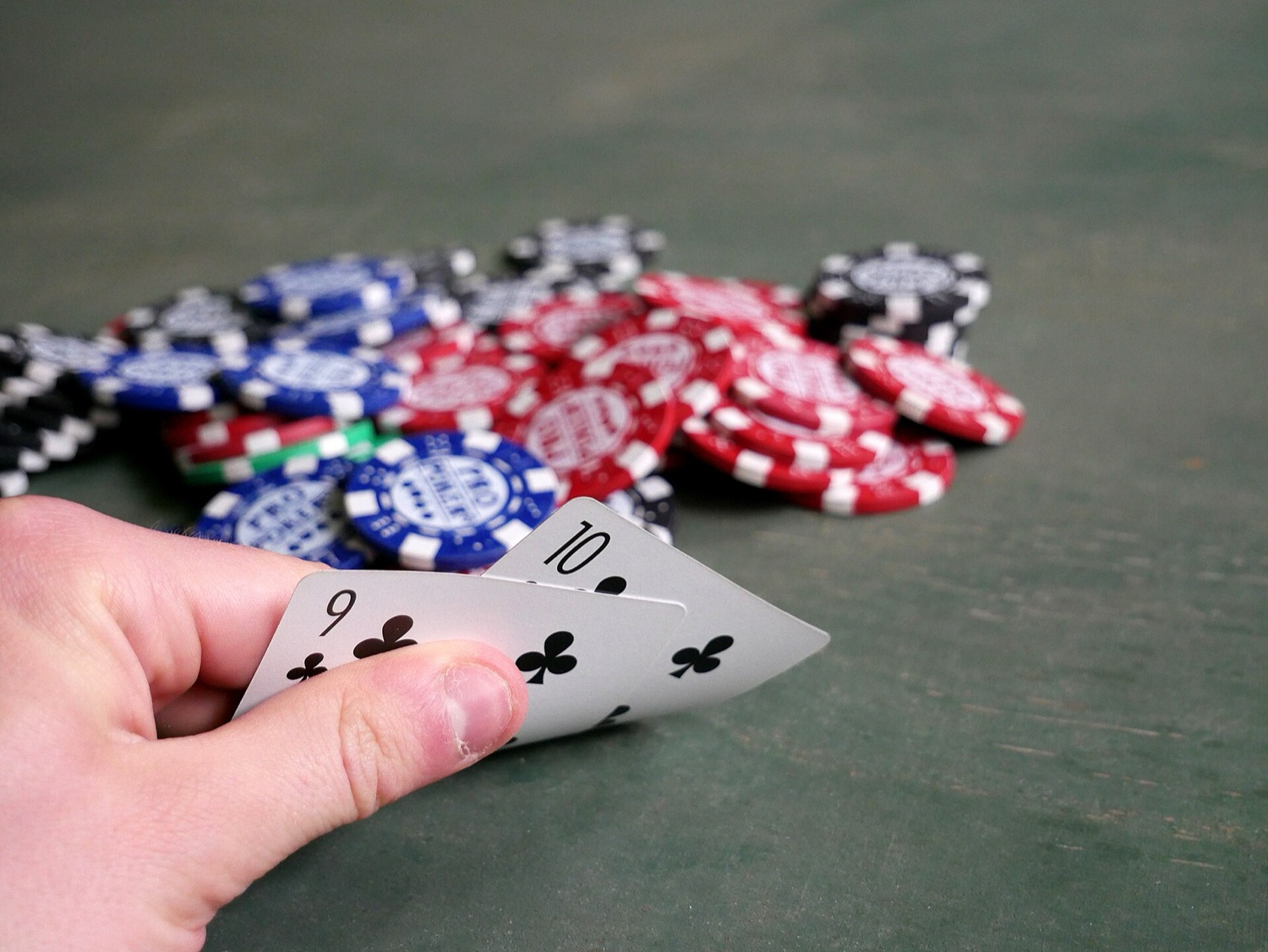
Skill or luck?
Both, in different proportions over different time scales. On a single hand anyone can win. Over thousands of hands, skill dominates. Researchers and courts have debated where the line falls; in 2012 a US federal judge in New York, in the case of United States v. DiCristina, concluded that poker is predominantly a game of skill, although that decision was overturned on other grounds the following year. The practical answer for a student is that poker rewards study in a way that roulette never can.
Pot odds: expected value at the table
The core maths of poker is the same expected value we use for casino games. Suppose the pot holds $80 and your opponent bets $20. To call, you put in $20 to win $100 (the $80 pot plus their $20), odds of 5 to 1. Your $20 will be one sixth of the final $120 pot, so you need to win more than about 17 percent of the time for the call to be profitable.
Now count your "outs", the cards that make your hand. With a flush draw after the flop you have 9 outs. A handy shortcut is the rule of 4 and 2: multiply your outs by 4 on the flop (two cards to come) or by 2 on the turn (one card to come) for a rough percentage. Nine outs gives about 36 percent with two cards to come and about 18 percent with one. If your chance of winning is higher than the price the pot is offering, calling has positive expected value.
| Draw | Outs | Approx. chance by the river (from flop) | Approx. chance on the river (from turn) |
|---|---|---|---|
| Flush draw | 9 | 35% | 20% |
| Open-ended straight draw | 8 | 31% | 17% |
| Gutshot straight draw | 4 | 17% | 9% |
| Two overcards | 6 | 24% | 13% |
Game theory: from Nash to AI
Poker is a game of incomplete information: you cannot see your opponent's cards. That makes it a natural laboratory for game theory, the mathematics of strategic decisions founded by John von Neumann and Oskar Morgenstern in the 1940s and extended by John Nash. A "game theory optimal" strategy mixes bluffs and value bets in proportions that cannot be exploited. Computer scientists took this seriously: in 2017 the Carnegie Mellon program Libratus beat top professionals at heads-up no-limit hold'em, and in 2019 Pluribus, developed by Carnegie Mellon and Facebook AI, beat elite players in six-player games. Today's serious players study with "solver" software built on the same ideas.
Psychology: the human edge
Maths tells you what to do; psychology decides whether you actually do it. Strong players manage:
- Tilt. Playing emotionally after a bad beat is the fastest way to give back your edge.
- Bankroll. Professionals keep poker money separate from living money and play stakes small enough to survive normal losing streaks.
- Reads. Betting patterns, timing and position usually tell you more than facial "tells".
- Results versus decisions. A good decision can lose and a bad one can win. Judging yourself on decisions rather than outcomes is one of the most valuable habits in poker and in life.
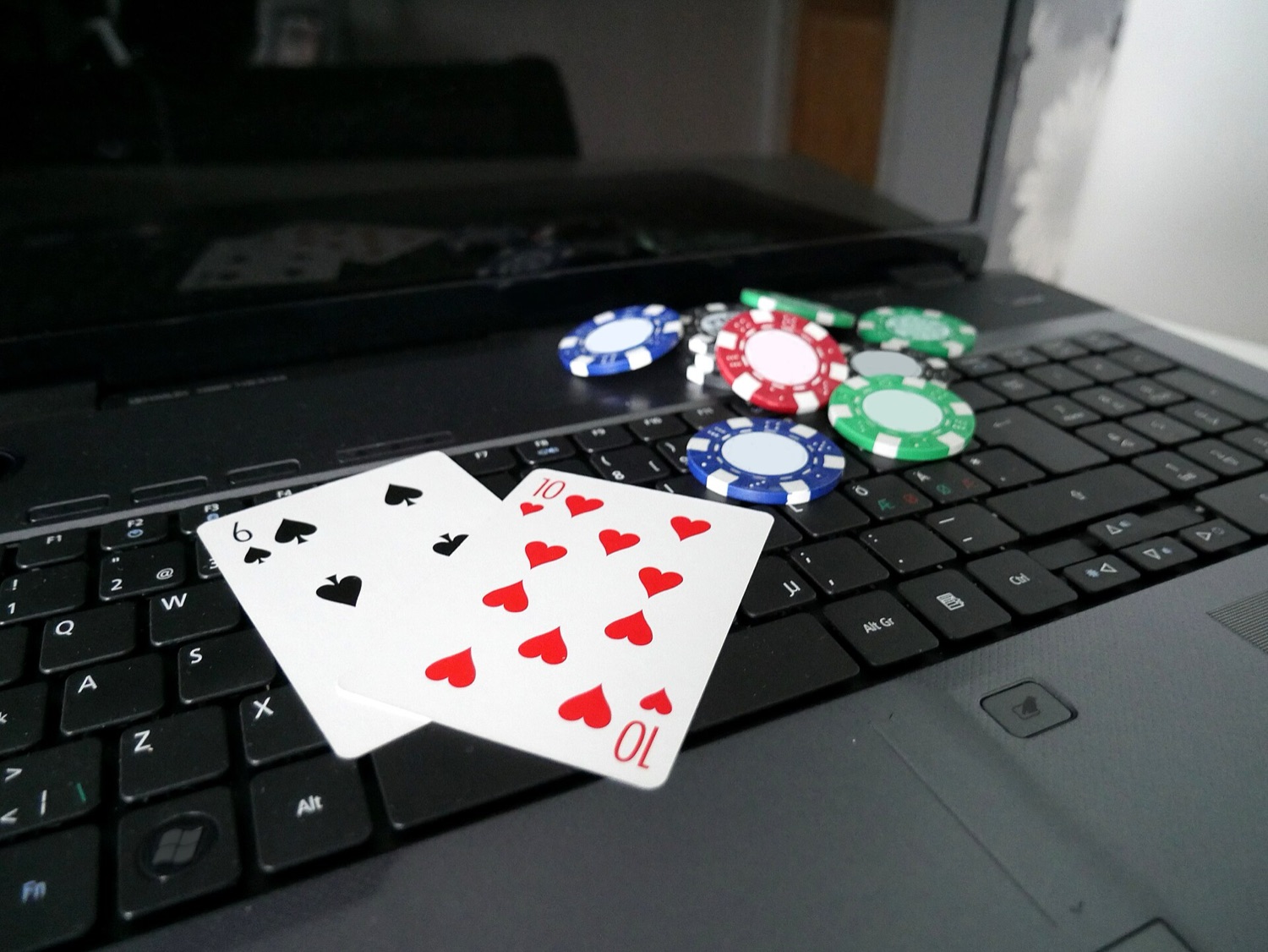
College poker clubs and courses
The modern poker boom took off in 2003, when Chris Moneymaker, an accountant who had qualified through an online satellite costing less than $100, won the World Series of Poker Main Event and $2.5 million. Students were among the millions who started playing, and poker clubs appeared at universities across the US, UK and Ireland.
Most college clubs focus on strategy: weekly lessons, hand-review sessions and free-to-enter tournaments where prizes come from sponsors or club funds rather than players' buy-ins, because campus rules and state laws usually limit gambling on university property. Some clubs run intercollegiate leagues and online tournaments for points. Universities have taken notice too: MIT ran a short course on poker theory and analytics in its January term, and its materials are available free online through MIT OpenCourseWare.
Where to play, legally
Online real-money poker is licensed and legal in only a handful of US states, while in the UK and Ireland licensed operators are widely available to adults. Casino card rooms have minimum ages set by state law, 21 in most US states. Home games with friends are legal in some places and not others depending on whether the host takes a cut. If you want to play for real money, learn the rules where you live first, then learn the maths.
Poker is also a gateway to careers. Several of the biggest trading firms are known for using poker and betting games to teach new hires about probability and risk; read about them in game theory careers.